
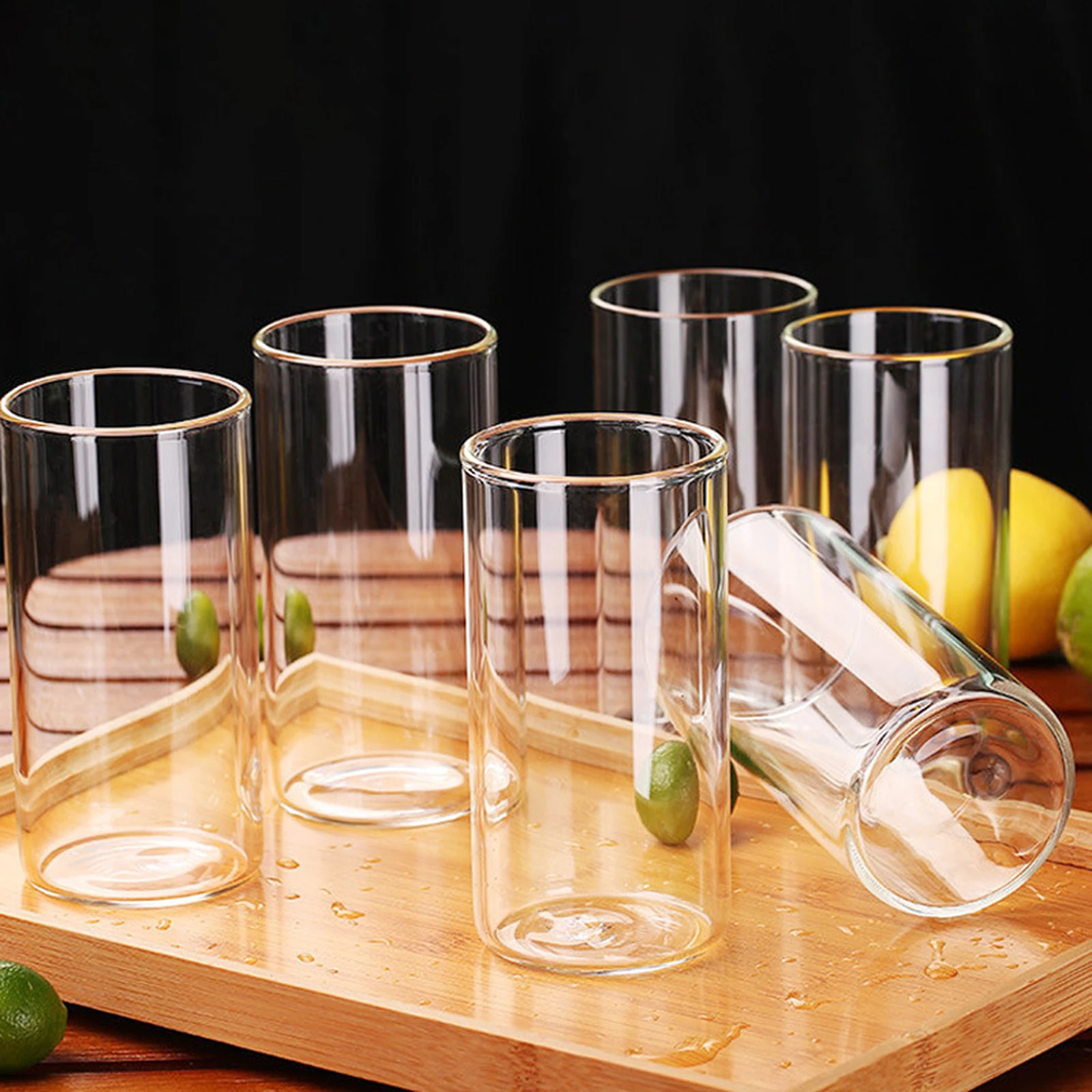
Restaurant buyers usually know the look they want. The harder question is whether that glass will work through hundreds of service cycles, fit the beverage portion, move through the wash area and remain available when a location needs replacements. We have learned that a restaurant glassware program succeeds when the operating details are written before the order is divided among venues.
Our team coordinates glassware sourcing, sampling, production partners, QC and export packing. We do not claim that one attractive tumbler is automatically suitable for every restaurant. We ask how it will be filled, carried, washed, stored and replenished. Those answers give the production and inspection teams a usable brief.
Map each glass to one menu job
The first spreadsheet we want is not a catalogue wish list. It is a beverage map. For each intended serve, list the recipe volume, ice or garnish, desired headspace and current glass size. A 400 ml nominal capacity does not necessarily mean a 400 ml service portion. Foam, ice and presentation can reduce the practical fill.
This mapping catches a common sourcing mistake: selecting three different designs that all solve the same job while leaving another beverage without a suitable glass. It also reduces SKU count. A versatile straight tumbler may serve water, juice and a soft drink if the operations team approves it. A cocktail with a specific garnish or presentation may need a separate shape.
We ask restaurant groups to identify:
- core water and soft-drink volume;
- hot, iced or room-temperature use;
- rim and hand-feel preference;
- tray, shelf and wash-rack dimensions;
- logo or measurement-mark requirement;
- pieces required for opening stock and replacement stock.
Temperature or dishwasher claims must be supported by the approved product and the buyer’s required test route. We do not infer them from the fact that a model is borosilicate glass or from a marketing photograph.
One current route: DB0002
DB0002 is a current borosilicate-glass cup family with recorded 250 ml, 300 ml and 400 ml capacities. The current options include logo, set size and color-box direction. Its product record uses 500–1,000 pieces as the planning baseline for current-model trial orders and 5–10 days as the usual sample reference after the requirement is clear. Availability, exact dimensions, quantity by capacity, decoration, packaging and schedule still need dated confirmation.
Review the DB0002 straight glass cup set.
For a restaurant, the value of this existing family is not simply the lower development burden. The buyer can compare three bodies with a related visual language and decide whether one or two capacities cover the menu. A physical sample should be measured and used by the operations team. Catalogue dimensions remain a starting record, not the final signed specification.
Other drink formats may need a taller glass, a handled cup or a double-wall construction. The current glass cup range gives us alternatives to compare before we discuss new tooling.
Let staff test the sample, not only the design team
Brand managers often approve glassware from a front view. Restaurant staff notice different things. They notice whether two wet glasses are easy to separate, whether the rim feels right, whether the base is stable on a crowded tray and whether the body is comfortable during a full shift.
We recommend a short operating review with actual service steps:
1. Pour the intended beverage with the normal ice and garnish.
2. Carry the loaded tray and remove the glass as staff normally would.
3. Check the glass against the existing shelf and rack.
4. Review washing and storage according to the restaurant’s equipment instructions.
5. Confirm that the chosen fill leaves the intended presentation headspace.
The buyer records observations against the model and sample identity. This is more reliable than comments such as “make it a little taller,” because a height change can affect capacity, stability, packing and tooling route. If a current model is close but not acceptable, we can identify the actual gap before reviewing development.
Opening stock and replacement stock are different decisions
A new restaurant may calculate glassware from seat count, but service stock also needs to cover turnover, washing and replacements. We cannot choose that operating multiplier for the buyer because it depends on the concept and site. We can, however, ask the buyer to separate the quantities:
- opening allocation by site;
- central backup stock;
- planned first replenishment;
- promotional or seasonal logo version;
- sample and pre-opening training pieces.
This breakdown matters to production. If every location receives the same SKU, carton labeling can support site allocation without creating a new glass version. If each venue has a different logo, the order becomes multiple decorated SKUs and the MOQ review changes.
For current models, 500–1,000 pieces is a recorded trial-order planning range. Standard OEM planning in current product records commonly begins around 2,000 pieces. Neither number should be applied blindly to a chain total. We confirm the quantity for each glass, capacity, logo and pack combination. Printed decoration, cartons or a new mould can carry separate minimums.
Read our explanation of glassware MOQ before splitting a chain order.
Restaurant decoration must survive the commercial brief
A logo on a restaurant glass can guide portioning, reinforce the venue identity or both. We need to know which role it serves. A decorative mark may prioritize appearance from the guest’s side. A measurement line requires a verified position and a different approval discipline.
We ask for vector artwork, target size, color reference, viewing face and any clear-area rule. Curved glass changes apparent alignment, so a digital mockup is not the final standard. If print durability matters, the buyer should state the washing method and acceptance requirement so the decoration route and test can be reviewed. We do not promise a universal number of wash cycles without a defined method and evidence.
For multi-location programs, artwork version control is important. The signed file, sample photo or physical standard and carton label should carry the same SKU identity. An old logo left in a packing instruction can create a costly mix even when the glass itself is correct.
Operating cartons should make replenishment easy
Retail glassware packaging is designed to sell from a shelf. Restaurant operating packs should help a receiving team identify, count, store and issue replacements. A decorative color box may add cost and waste without solving those jobs.
We review the approved glass dimensions, quantity per inner pack, divider or sleeve method, export-carton count, carton weight, model marking and destination handling. Glass-to-glass contact and uncontrolled movement need to be limited. For a distributor, the inner quantity may also need to match the way customers order replacements.
Carton identity is part of QC. A 300 ml glass packed in a carton marked 400 ml can disrupt a restaurant opening even if every piece is visually acceptable. We therefore connect product inspection, count and carton marks in the same release checklist.
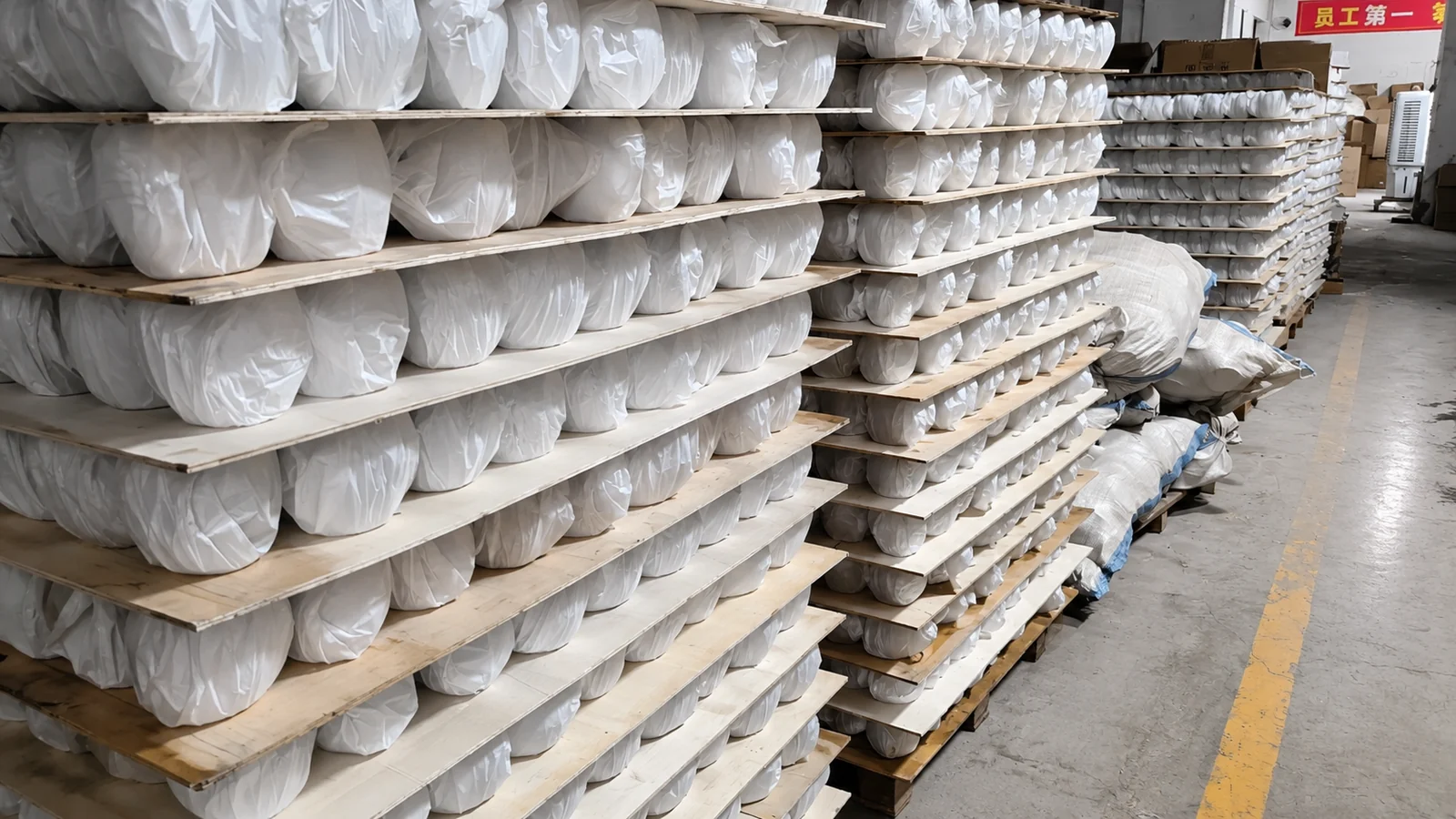
Real supply-network handling imagery. The final divider, count and marks are designed around the approved restaurant SKU.
See our glassware packaging options.
What our restaurant QC brief normally covers
The restaurant buyer should define the defects or functions that matter in service. We translate that into inspectable points. Depending on the approved item, the checklist may include correct model, dimensions or capacity method, rim condition, base stability, visible inclusions, deformation, decoration position, count, pack and carton identity.
We separate critical, major and minor concerns in writing. A sharp edge or unsafe condition is not treated like a small visual variation. A repeated issue in one production area is investigated differently from an isolated cosmetic observation. Acceptance limits and the sampling method are agreed for the order; “restaurant grade” is not a complete inspection instruction.
If the buyer uses a third-party inspection company, we ask for the inspection standard, booking contact and report route before goods are ready. That allows the production partner, our project team and the buyer’s inspector to use the same approved references.
Review how we structure glassware quality inspection and our QC coordination page.
Plan the schedule backward from the opening
Restaurant openings have fixed dates, but glassware schedules include decisions that cannot be skipped. We work backward through destination delivery, freight booking, inspection, packing, decoration, bulk production, component readiness, sample approval and specification review.
We do not publish one fixed bulk lead time for every restaurant program. A plain current cup and a newly tooled branded collection do not share the same route. The dated schedule is confirmed after the SKU allocation, artwork, sample type and packing are known. Transport time stays separate because port, Incoterm, carrier and destination conditions can change.
Late operational decisions are a real risk. If a capacity changes after menu testing or a logo changes after decoration sampling, the effect must be checked across artwork, quantity, production slot and carton marks. Freezing those decisions before bulk authorization is more valuable than asking production to recover time later.
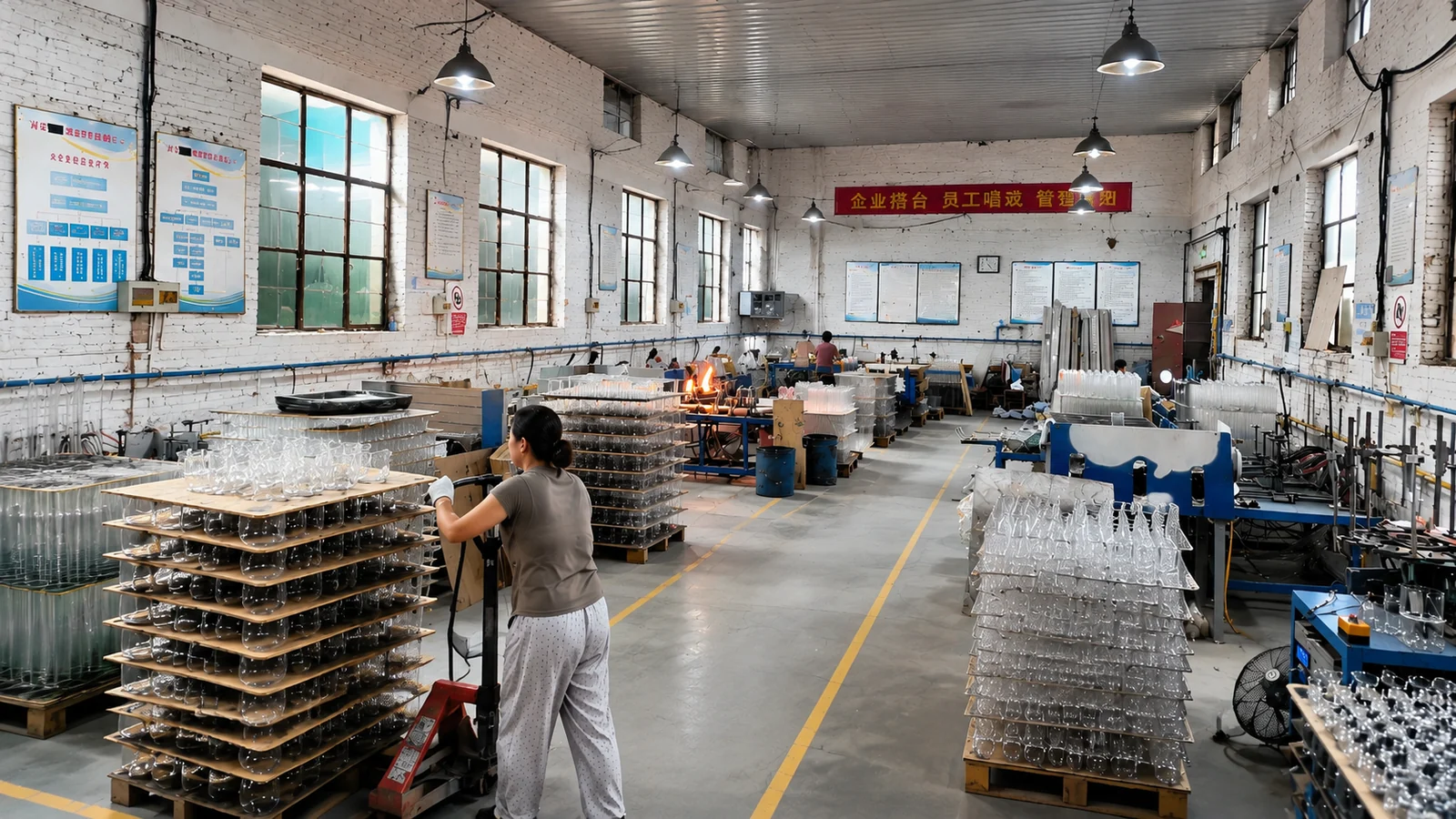
The selected production route and dated schedule are confirmed against the approved restaurant specification.
Restaurant glassware FAQ
What should a restaurant send before requesting a quote?
Send the beverage map, preferred product links, capacity and quantity by SKU, opening date, logo files, pack preference, destination and any rack or shelf limits. State what the sample must prove for staff.
Can we start with a trial order?
Current product records such as DB0002 use 500–1,000 pieces as a trial-order planning baseline. Feasibility depends on quantity per capacity, decoration and pack. A chain total split among many logos is reviewed as multiple finished SKUs.
How long does a sample take?
DB0002 has a recorded 5–10-day current-model sample reference after requirements are clear. Decoration, new development or a complete packaging sample adds steps. We confirm the dated route before accepting the order.
Can you print our restaurant logo?
We can review logo decoration on suitable current models. The artwork, size, position, color, intended washing conditions and quantity must be confirmed. A decorated sample may be required before bulk release.
Can cartons be labeled for different restaurant locations?
We can review location or distributor labeling as part of the packing brief. Keep the glass SKU separate from the delivery-allocation label so one stock item does not become unnecessary production variants.
How should replacement orders be planned?
Choose core models that can be identified consistently, record the approved specification and reserve a replenishment quantity or schedule appropriate to your operation. Current availability and component continuity should be checked again for each dated order.
Ask us to review the operating brief
The fastest restaurant glassware quotation is not the one with the fewest questions. It is the one where the menu job, size, quantity, logo, pack and opening schedule are visible from the start. Send us that brief and we will identify current-model options, sample risks and the information needed for a comparable bulk quote.
Browse glass cups, prepare a complete RFQ, or contact the Guangyi Glass project team.