
Hotel glassware is not one purchasing category in practice. Guest rooms, minibars, breakfast service, restaurants, lounges, banquets and amenities can all use glass, but they do not need the same specification or packing. When those departments buy separately, a property can open with duplicated sizes, inconsistent logos and no clear replacement item.
We help hotel buyers turn the room standard and operating plan into a controlled SKU list. Our team coordinates current models, samples, production partners, QC and export packing. We do not claim ownership of every workshop shown in our supply records, and we do not describe a current model as “hotel grade” without a defined use and approval method. The property brief determines what has to be proved.
Build a department schedule before choosing products
The first document we ask for is a room-and-outlet schedule. It lists where each item is used, how many units belong in one room or service position, and whether the item is guest-facing, back-of-house or retail. This prevents a lobby bar request from silently changing the guest-room standard.
A practical schedule may include:
| Area | Intended use | Capacity direction | Identity | Pack priority |
|---|---|---|---|---|
| Guest room | water service | buyer input | hotel logo or plain | room or floor allocation |
| Minibar | beverage service | buyer input | plain or brand mark | compact replacement pack |
| Breakfast | juice or water | buyer input | operating SKU | high-count handling |
| Banquet | event service | buyer input | neutral or venue mark | rapid count and storage |
| Gift or retail | branded item | buyer input | retail artwork | presentation plus export protection |
The table does not select a glass by itself. It makes the decision visible. If two departments can use one approved model, the hotel may simplify replacement stock. If their operating requirements differ, forcing one shape across both areas may create a false economy.
DB0017 as a current highball starting point
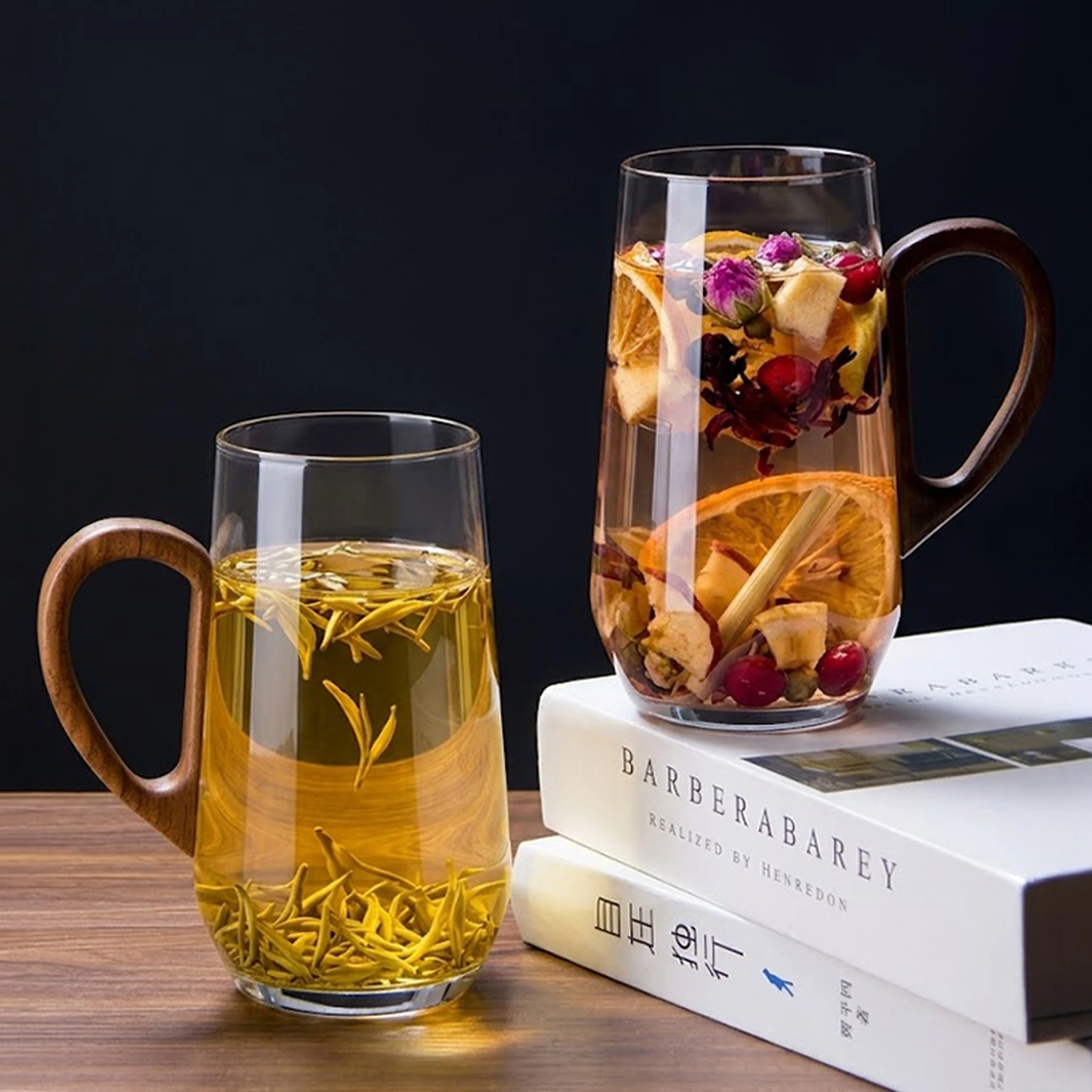
Our current product record for DB0017 describes a 450 ml borosilicate-glass highball cup with logo, set-pack and color-box options. The record uses 500–1,000 pieces as a planning baseline for a current-model trial order and 5–10 days as the normal sample reference after the sample request is clear. Exact dimensions, current availability, logo route, quantity, pack and timing must be reconfirmed in the dated quotation.
Review the DB0017 450 ml highball glass cup.
This clean shape can be reviewed for water or beverage service, but the hotel’s operations team still needs to test the physical sample. A nominal 450 ml capacity does not define the service fill, shelf fit, wash-rack fit or guest experience. If the property needs a smaller bedside glass, a handled hot-drink item or a double-wall cup, we compare other glass cup models rather than stretching one specification beyond its purpose.
Room count is not the purchase quantity
Room count is only one input. A property needs to decide how many pieces are installed, how many are in circulation, what stays in central storage and how replacement stock is issued. Banquet and food-and-beverage areas have different turnover patterns. Guangyi Glass cannot choose the operating reserve for the hotel because that belongs to its service standard, but we can make sure the RFQ separates those quantities.
For a group rollout, we ask for quantity by property and by SKU. Location allocation does not always require a new production SKU. The same glass and logo can remain one item while carton or pallet labels identify the destination property. That can protect production efficiency and reduce the risk of artwork mix-ups.
If properties use different logos, languages or marks, each finished version needs its own quantity and approval file. A total of 10,000 pieces split across twenty small decorated variants is not equivalent to 10,000 identical glasses. Decoration setup and printed packaging may set practical minimums even when the glass body is current.
The 500–1,000-piece trial-order range in current product records is a starting reference, not a guaranteed minimum for every hotel configuration. Standard OEM planning commonly starts around 2,000 pieces in our current records. We confirm the real minimum after the model, logo, quantity per version and pack are defined.
See how model and SKU splits affect glassware MOQ.
Make the sample approval usable across properties
Hotel projects often involve a designer, procurement company, operator and property team. If every party approves a different photo, production has no single standard. We recommend one sample record that states the model, dimensions or capacity method, finish, logo file and position, intended area, pack and approval date.
The people who handle the glass should join the review. Housekeeping may notice storage and replacement issues. Food-and-beverage staff may notice fill and tray handling. The design team may focus on proportion and brand presentation. Procurement needs the final version to be quotable and repeatable. A sample comment sheet keeps those views attached to one item.
For current DB0017 samples, the recorded reference is 5–10 days once the request is clear. A logo sample, custom color, special decoration, new shape or complete room-set pack adds steps. We verify the route before issuing a dated schedule. A plain sample can approve body direction, but it cannot approve an unmade logo or carton.
Hotel logos need version control
A hotel group may have a corporate mark, a property mark, restaurant identities and branded residences. We ask the buyer to name the artwork owner and provide the approved vector file. The specification records artwork version, size, color reference, position and viewing direction.
Curved glass can change apparent alignment. We therefore distinguish a digital placement mockup from a decorated approval sample. If the hotel has durability requirements related to its washing process, the test method and acceptance rule should be stated. We do not promise a universal number of wash cycles without a defined process and result.
The same artwork code should appear in the purchase specification and inspection checklist. This avoids a situation where the glass body is correct but an older property logo reaches the packing line.
Pack by the receiving workflow
Hotels may receive containers at a central warehouse, through a procurement company or directly at a property. We ask who will unload, count, store and distribute the glasses. The answer changes carton labeling and inner-pack logic.
A room-opening kit sounds convenient, but it may create more complex packing and damage risk if many unrelated items are combined. A high-count operating carton can be efficient for banquets but difficult for floor-by-floor distribution. We compare those workflows before confirming pack count.
The final pack can include protective separation, inner quantities, export cartons, model marks, property-allocation labels and pallet instructions where required. Retail or gift boxes are reviewed separately because presentation packaging solves a different job. Finished carton dimensions and counts should be available before the buyer locks freight and warehouse space.
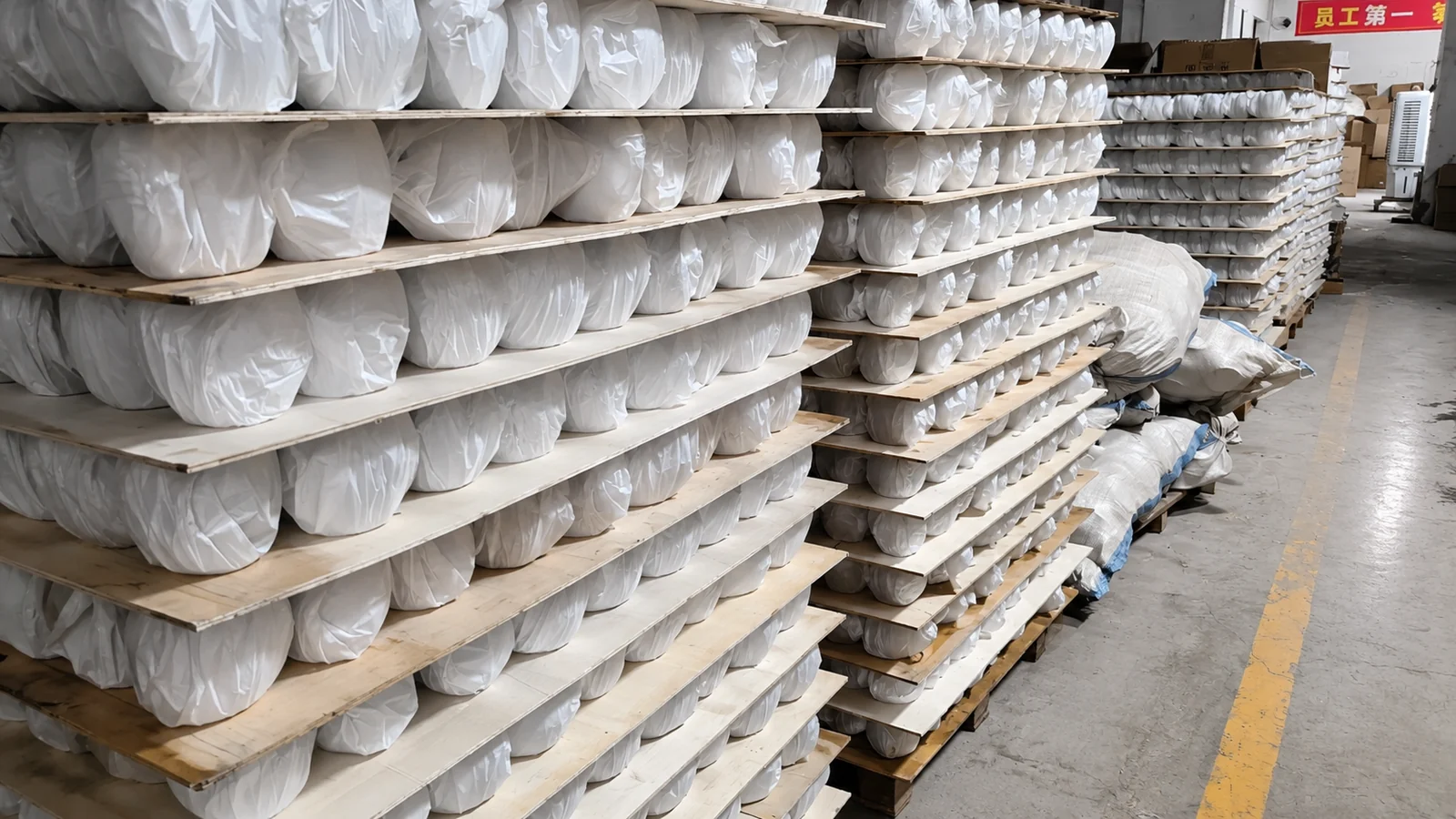
Real handling imagery from the supply network. The actual inner count and property labels follow the approved receiving plan.
Review our glassware packaging routes.
Define hotel QC in observable terms
“Luxury quality” and “hotel standard” are not inspection criteria. We need a product-specific list. For a guest-room tumbler, relevant points may include correct model, rim condition, base stability, agreed dimensions, visible appearance, logo placement, pack count and carton identity. For a product with a lid or accessory, fit and component identity join the list.
The approved sample helps show appearance, but written criteria are still needed. We classify issues by their effect: unsafe or unusable conditions are not grouped with minor visual variation. The buyer and our project team agree the sampling method and acceptance limits for the order. If a third-party inspection company is involved, it receives the same specification and approval references.
At packing, we verify that the correct glass and logo enter the correct labeled carton. A property allocation error is commercially serious even when the physical product passes appearance inspection.
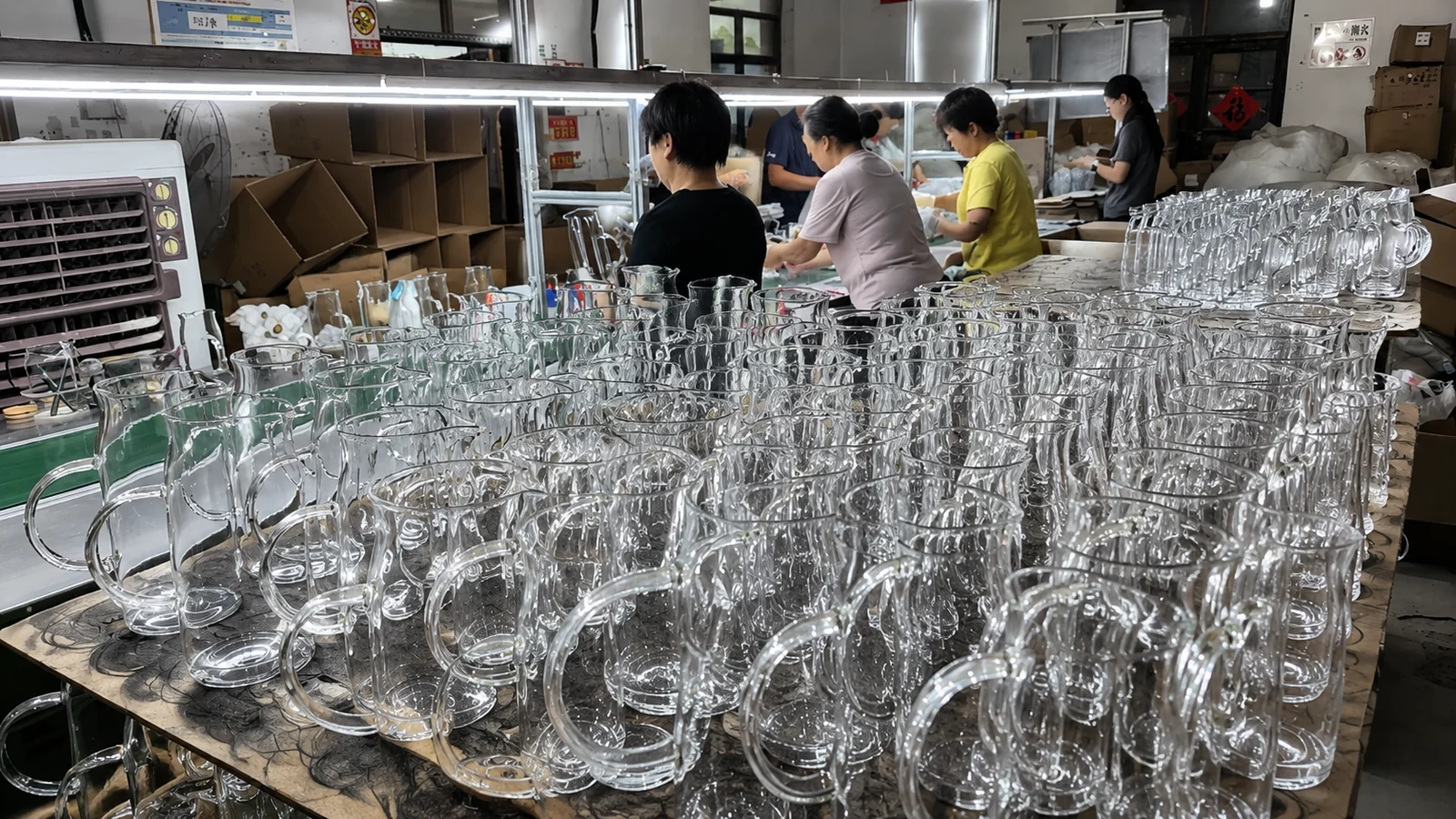
QC scope is adapted to the approved hotel SKU; the image does not claim a named hotel project.
Read what happens during our coordinated glassware inspection or visit our QC page.
Opening schedules need approval gates
Hotel opening dates often move, but suppliers still need a realistic working sequence. We plan from required destination availability back through transport, release inspection, packing, decoration, bulk production, material and component readiness, sample approval and specification review.
There is no responsible fixed bulk-production number for every hotel program. A current plain model follows a different path from a property-specific collection with several logos and boxes. We confirm the dated production plan after checking the selected partner, SKU allocation and approvals. Freight is quoted separately by destination, Incoterm and route.
To protect the opening, the buyer should define the last acceptable date for sample and artwork approval. A late change to the property logo, room count or inner pack can affect more than one supplier. We document the change and recheck quantity, material, schedule and carton marks instead of treating it as an informal message.
Hotel glassware FAQ
Can Guangyi Glass supply one program for several properties?
We can coordinate a multi-property brief. Send the model, quantity and logo by property, plus the delivery allocation. Where the physical SKU is identical, destination labeling may handle allocation without creating unnecessary production versions.
What is the MOQ for hotel glassware?
Current-model trial planning commonly starts from 500–1,000 pieces in our records. The final MOQ depends on quantity per model and logo, decoration, packaging and current availability. Custom OEM routes may begin higher and must be quoted by configuration.
How long do samples take?
DB0017 uses 5–10 days as the recorded reference for a defined current-model sample. Decoration, new development and complete packaging have additional steps. We confirm the dated sample route after receiving the brief.
Can you add a hotel or property logo?
We can review suitable logo methods after seeing the artwork, desired size, position, color, use conditions and quantity. The approved decorated sample or written standard becomes part of bulk QC.
Can cartons be separated by hotel or floor?
Property or delivery allocation can be reviewed through inner counts and carton labels. Floor-by-floor kits require a specific packing study because added handling and mixed contents can change cost and protection.
What should a hotel buyer include in the RFQ?
Include the department schedule, product links or images, capacity, quantity by property and SKU, logo versions, receiving workflow, pack preference, destination, opening window and required inspection method.
Let us review the room-and-outlet schedule
Send the property list and department schedule before reducing the project to one total quantity. We will match the needs against current models, identify which samples are necessary, state the configuration-specific MOQ questions and prepare a quote around the glassware the hotel can actually receive and replenish.
Browse current glass cups, use our RFQ checklist, or send the hotel project to our team.