
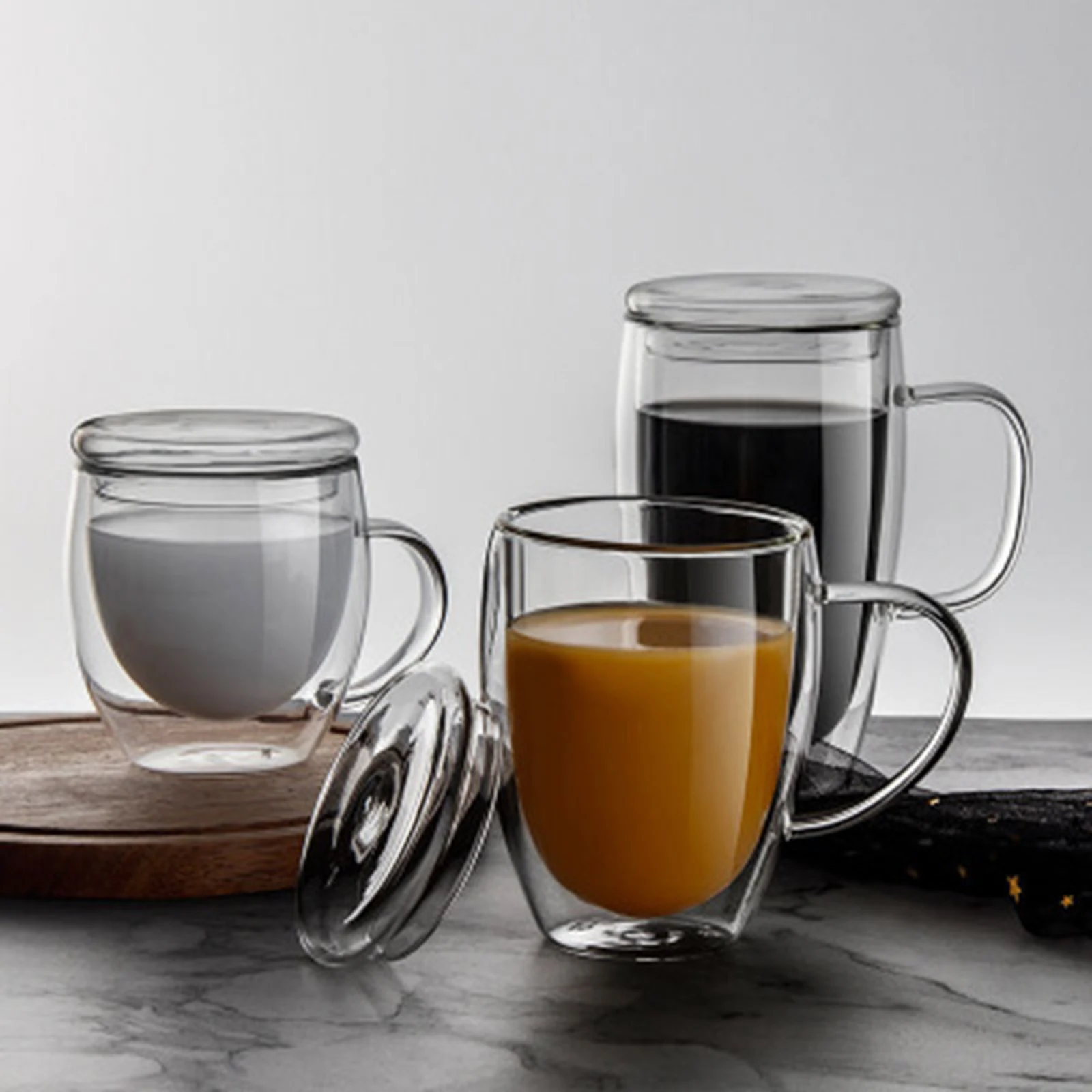
Cafe buyers often start with an image: a double-wall latte glass, a colored handle or a tall cup for iced drinks. We start with the recipe. The cup has to hold the service volume with the intended foam, ice or garnish; fit the bar workflow; feel right in the customer’s hand; and still present the logo correctly.
Our team coordinates current product selection, sampling, production partners, decoration, QC and packing. We do not label a cup “perfect for coffee” because of its appearance alone. The cafe or coffee brand defines the drink and operating method. We turn that information into a specification the supply chain can follow.
Write the recipe-to-cup table first
Nominal capacity is not the same as serving size. Espresso plus milk, foam and headspace can make a drink look wrong in a cup that seems correct on paper. Iced drinks need room for ice. A retail coffee bean promotion may use the glass mainly as merchandise, while a chain cafe uses it repeatedly during service.
We ask the buyer to list each drink with:
- liquid recipe volume before foam or ice;
- desired finished fill and headspace;
- hot, cold or mixed-temperature use;
- handled or handleless preference;
- saucer, lid, straw or spoon requirement;
- on-premise service, takeaway support or retail-merchandise role.
The cafe team should test the physical sample using its own recipe and equipment. We do not make unsupported thermal, microwave or dishwasher claims from a catalogue material description. If a specific performance statement is required for the destination or operating process, the buyer should state the test or evidence expected before artwork is approved.
DBS0031 gives three current capacity directions
DBS0031 is recorded as a borosilicate-glass double-wall cup family in 250 ml, 350 ml and 450 ml capacities. Its current options include logo, lid and set packing. Product records use 500–1,000 pieces as the planning baseline for current-model trial orders and 5–10 days as the normal sample reference once the requested sample is clear.
Review the DBS0031 double-wall glass cup family.
These are planning facts for the recorded model, not a blanket promise. Current stock or production availability, quantity by capacity, lid compatibility, artwork, packaging and schedule must be reconfirmed. A buyer requesting three capacities, two logos and separate boxes is creating six finished versions before lids are counted.
Double-wall construction can provide a different visual and hand-feel direction from a single-wall cup, but the sample must show whether it works for the buyer’s beverage and service method. We ask buyers to inspect the rim, internal profile, apparent fill, base, hand feel and any vent or sealing detail present on the approved construction. A screen image cannot provide that information.
A colored handle solves a different commercial job
DB0003 is a current 300 ml borosilicate-glass cup with handle-color, logo and set-combination options. The project record also uses 500–1,000 pieces for current-model trial planning and 5–10 days for the normal defined-sample reference.
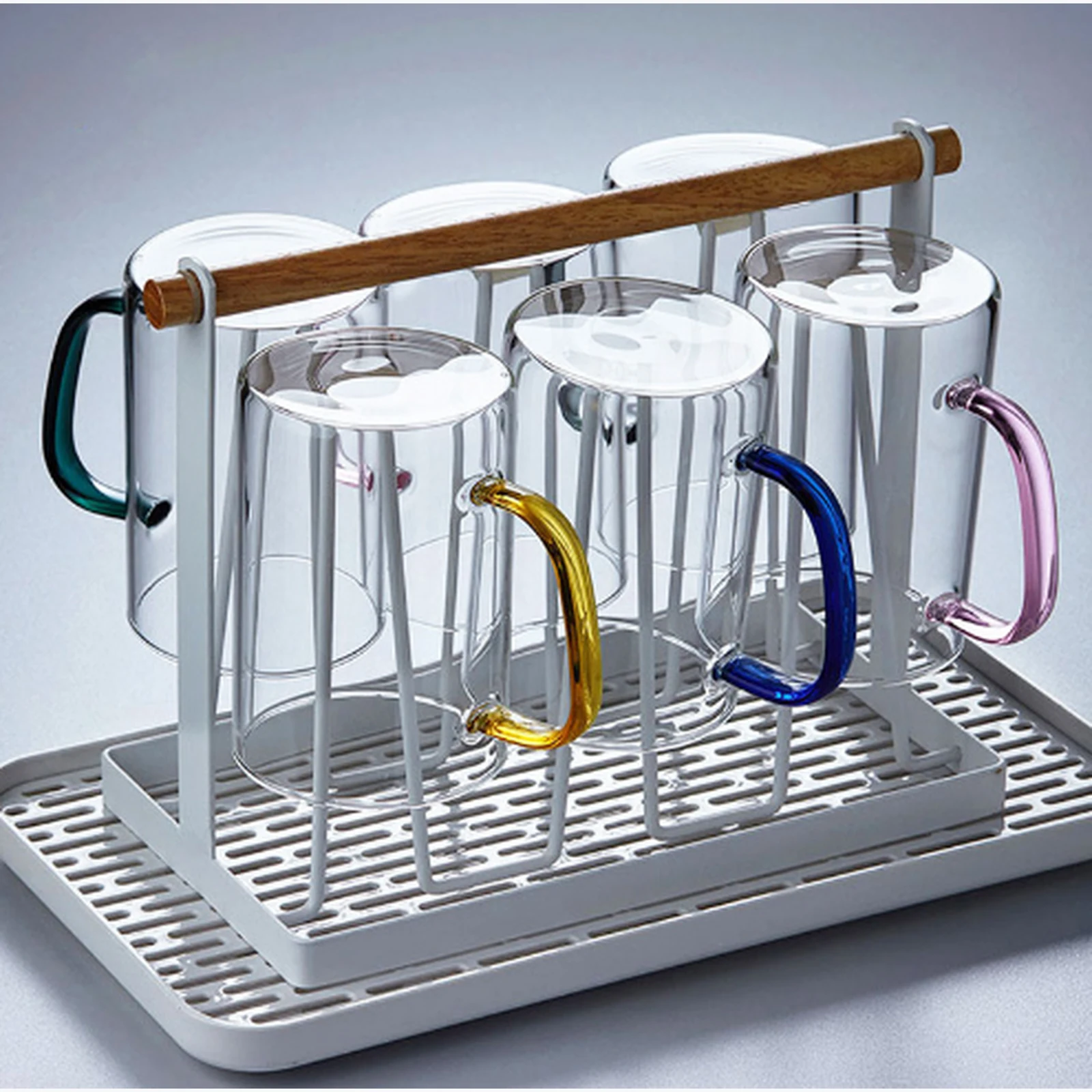
DB0003 can be reviewed for a color-led cafe or merchandise direction. Pantone intent, actual appearance, quantity and pack still require approval.
Review the DB0003 colored-handle 300 ml cup.
A colored handle can help a brand create a recognizable shelf or social-media cue, but it adds a color decision and may fragment MOQ. If a buyer wants four handle colors in one total order, we need the quantity per color. “Assorted colors” is not a production allocation. The buyer should also understand that the appearance of a color on a component and the appearance of a Pantone chip under office light may differ. A physical approval reference is more useful than a message saying “slightly warmer.”
The two models therefore answer different questions. DBS0031 focuses on a double-wall presentation and capacity family. DB0003 focuses on a handled 300 ml form with a color option. We do not force both into one cafe collection unless the recipes and brand plan justify the added SKU count.
Keep the opening assortment narrow enough to control
New cafes sometimes request espresso, cappuccino, latte, tea, iced coffee and merchandise glasses in several colors at once. The total quantity can look healthy while each finished SKU is too small for the selected decoration or box route.
We prefer a quantity matrix that separates model, capacity, color, logo and pack. Current-model trial planning begins at 500–1,000 pieces in the records cited above. Standard OEM planning in current records often begins around 2,000 pieces. Final minimums come from the actual version, not from adding unlike products together.
If the first launch cannot support every combination, possible review routes include:
- use one capacity for more than one recipe after a service test;
- begin with one handle color rather than several;
- use shared logo artwork across capacities;
- keep the first pack simple and add retail presentation after demand is proven;
- separate operating stock from branded merchandise.
These are review options, not automatic lower-MOQ guarantees. The production partner and component route still need to confirm feasibility.
Our glassware MOQ guide shows how decoration and SKU allocation change the minimum.
Approve the drink appearance on the physical sample
For a cafe, the sample test should include the finished beverage. Photograph the approved fill from the normal customer angle and record the recipe. This helps the buyer distinguish a cup problem from a recipe or fill change later.
The review can cover:
1. Actual service fill and remaining headspace.
2. Rim and drinking comfort.
3. Handle clearance or handleless grip.
4. Base stability on the table and tray.
5. Fit with saucer, lid or accessory when specified.
6. Logo area while the cup is filled.
7. Storage and washing workflow under the cafe’s instructions.
A current plain sample may be enough to choose between capacities. It does not approve the logo, handle color or printed box. A decorated sample verifies placement and appearance. A complete packing sample verifies the retail or set presentation. We label these stages so the purchase team knows what remains open.
The current-model sample reference is normally 5–10 days after the brief is defined. A new color, complex decoration, custom accessory, box or new glass development can extend the sequence. We confirm a dated plan after checking the selected route.
Logo position changes with cup geometry
A logo that works on a straight single-wall cup may look smaller or distorted on a double-wall profile. Handle orientation also creates a left/right viewing decision. Before decoration sampling, we ask for the vector artwork, target size, color, viewing face and any clear-space requirement.
If the logo is meant to align with a measured fill, that requirement must be stated and verified; a decorative logo should not be treated as an undeclared measurement mark. If washing durability matters, the cafe provides the operating condition or required test so the decoration route can be checked. We avoid general durability numbers without a defined method.
For retail merchandise, packaging artwork and product decoration need version control. The approved logo file name, cup model, capacity and box SKU should agree. A correct cup in the wrong branded box is still a failed delivery.
Operating stock and retail merchandise need different packs
Cafe operating stock benefits from clear counts, compact storage and quick replenishment. Retail merchandise needs presentation, labeling and often stronger individual handling protection. E-commerce adds parcel-delivery conditions beyond the export carton.
We review the final cup and accessories before fixing the divider or insert. For double-wall cups, the body profile and rim need controlled separation. A handle changes the pressure points and carton layout. Lids, spoons or straws must be identified and prevented from damaging the glass.
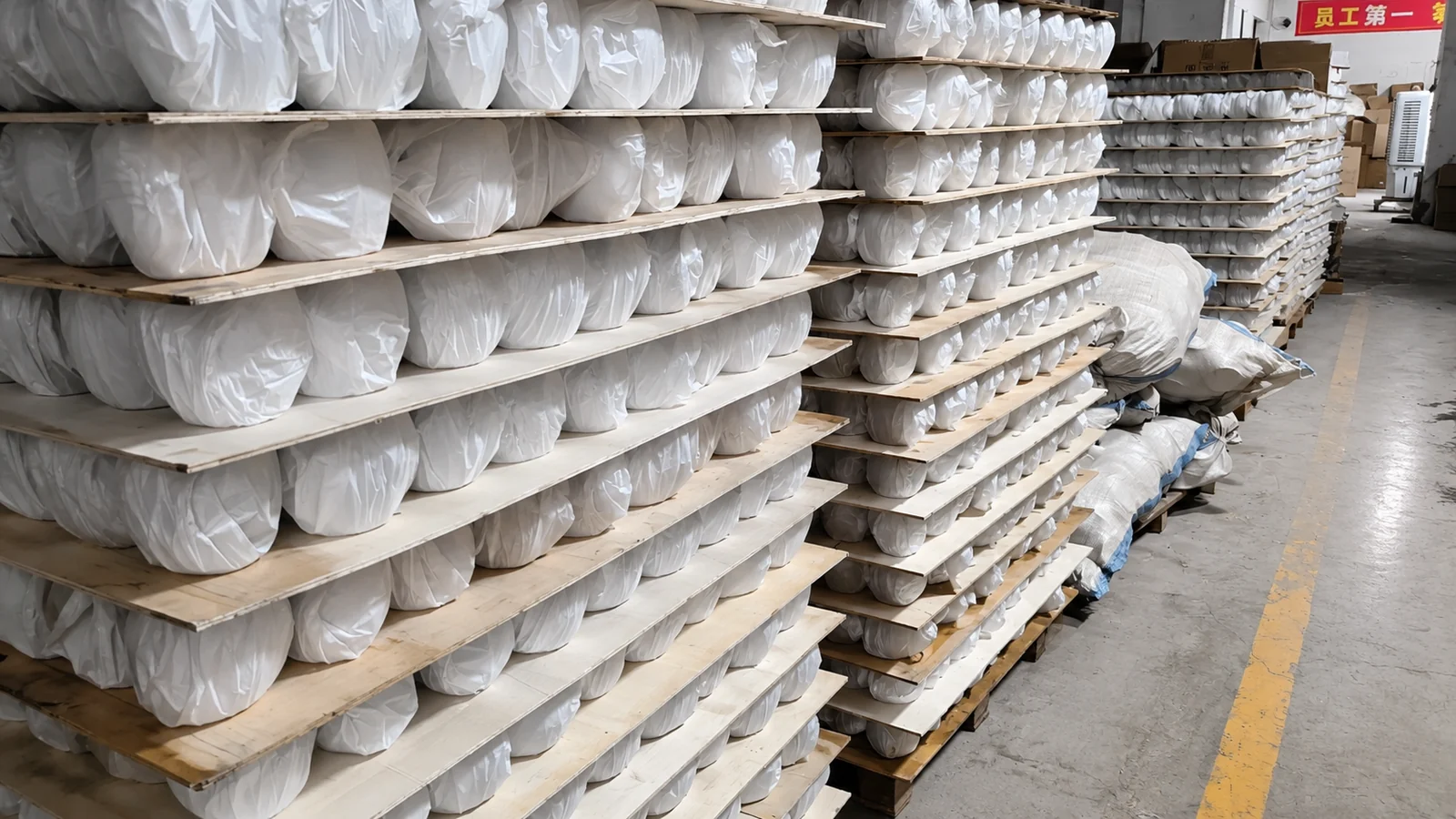
Real handling imagery. We design the final pack around the approved cup, accessory set and cafe sales channel.
See the retail, set and export packaging routes we can review.
Cafe QC connects the recipe SKU to the carton
The inspection list comes from the approved model and use. It may cover product identity, dimensions or capacity method, rim, base, double-wall form, handle alignment, decoration position, accessory fit, count, box artwork and carton marks. The final criteria and sampling method are agreed for the order.
We distinguish unsafe or function-blocking conditions from controlled cosmetic variation. When a repeated issue appears, the affected material is contained and the production stage is checked. Any sorting or rework needs a clear acceptance reference and reinspection before release.
For multi-capacity programs, packing identity is a major risk. The 250 ml cup, 350 ml cup and 450 ml cup can look related but serve different recipes. Model and capacity need to stay visible through production, inspection and carton labeling.
Read our glassware quality inspection guide or review our QC coordination process.
Plan the launch around approvals, not one bulk promise
We do not state one fixed bulk production time for every cafe project. A current plain cup has fewer decisions than three capacities with logos, colored components and retail boxes. The working plan includes model review, sample, recipe test, decoration approval, component readiness, bulk production, QC, packing and shipment handover.
Freight is planned separately by destination and Incoterm. If the cafe has a fixed opening or campaign, tell us the required arrival window and the last acceptable sample-approval date. A changed recipe, logo or box after approval can reopen the specification and affect the production slot.
Cafe glass cup FAQ
Which capacity should we choose for a latte or iced drink?
Start with the actual liquid recipe, foam or ice, garnish and desired headspace. Then test the closest physical samples. We can provide recorded capacities, but the cafe approves the service fill.
What is the trial-order MOQ?
DBS0031 and DB0003 currently use 500–1,000 pieces as the planning baseline for current-model trial orders. Final MOQ is confirmed by model, capacity, color, logo and pack. Multiple small variants can raise the practical minimum.
How long does a current-model sample take?
The recorded normal reference is 5–10 days after the sample scope is clear. Decoration, new colors, accessories, packaging or new development add steps and require a dated check.
Can we use our Pantone brand color on a handle?
We can review a color direction on a suitable model. Provide the Pantone reference, quantity and acceptable appearance standard. Production feasibility and a physical color sample must be confirmed before bulk approval.
Can you make cups for cafe retail merchandise?
Yes, we can review logo, single or set boxes and export packing. Tell us whether the item will sell in-store, ship by parcel or both because presentation and protection requirements differ.
What should we send for a quote?
Send the drink-to-cup table, preferred models, capacity and quantity per version, logo file, color direction, accessory list, operating or retail pack, destination and launch window.
Send the recipe brief with the RFQ
When we know the beverage, service fill, capacity, quantity, logo and sales channel, we can compare current models and show which sample decisions control the project. That produces a more useful quote than selecting a cup from a lifestyle image and correcting the specification later.
Browse current glass cup models, prepare your glassware RFQ, or send the cafe project to Guangyi Glass.