
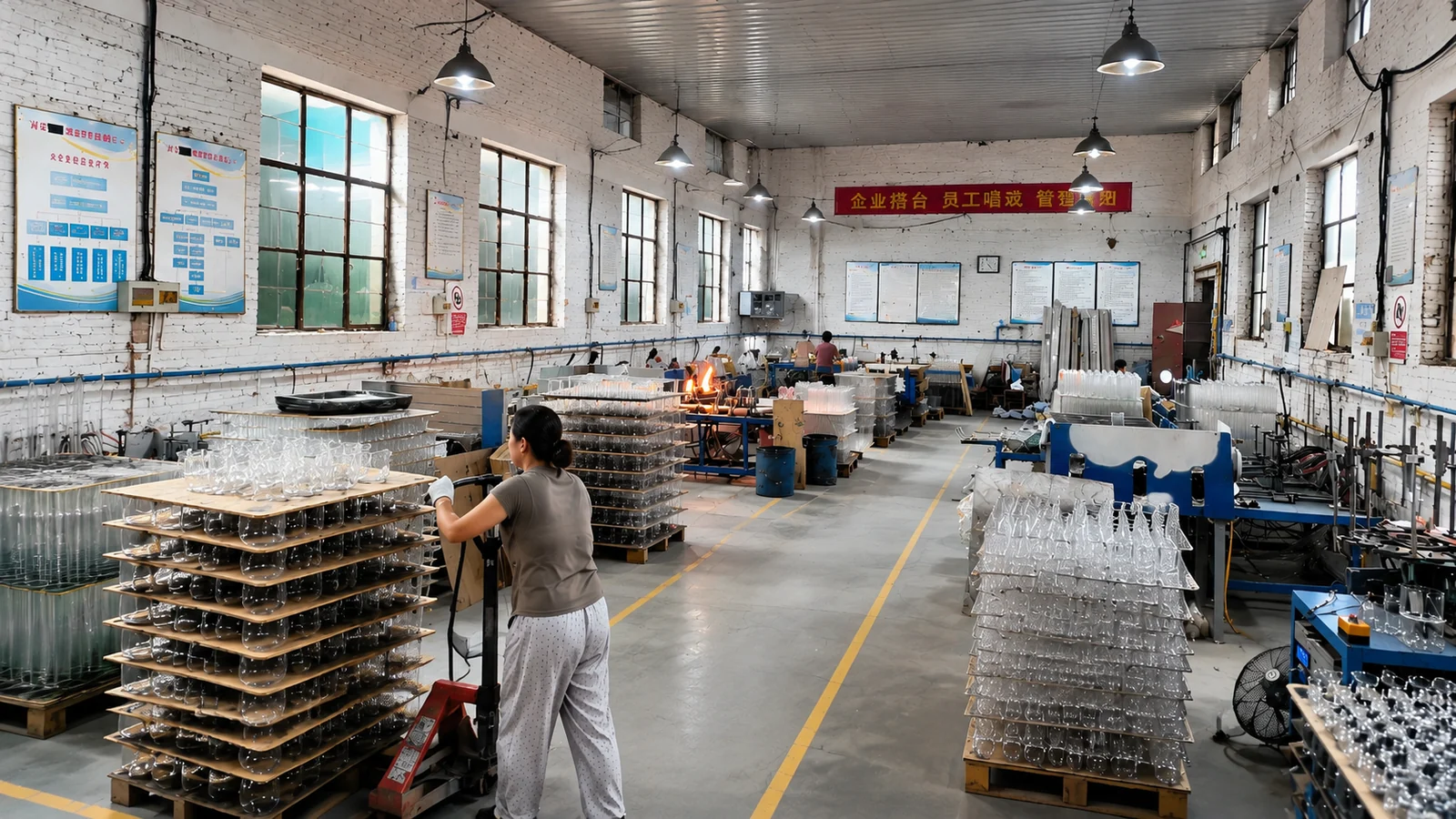
A glass tea set is a system, not a group of attractive objects. The pot body, spout, handle, lid, infuser and cups have to work together. When buyers approve each part from separate catalogue images, the first assembled sample often reveals the real questions: the infuser sits too low, the lid moves while pouring, the cup capacity does not match the serving ritual or the gift-box insert was designed before the components were final.
We help tea brands organize those decisions in the right order. Guangyi Glass coordinates current models and OEM development with production partners whose role is confirmed for each order. We use samples and written criteria to verify what the selected product can do. We do not turn “borosilicate,” “heatproof” or a visual reference into a universal performance promise without a model-specific basis.
Define whether the product brews, serves or sells as a gift
Tea brands use glassware in several ways. A brewing pot handles leaves and water, a serving pitcher receives brewed tea, a tasting cup supports a smaller fill, and a gift set must also create a coherent opening experience. One product may perform more than one role, but the buyer should define the primary use before selecting capacity and components.
We ask for the tea type, brewing or serving method, intended fill, number of users and sales channel. Loose-leaf tea changes the infuser decision. Blooming tea changes the visible chamber. A retail subscription set has different packing needs from a teahouse replacement cup. Care instructions and user expectations should be discussed early, especially when hot use is part of the marketing claim.
The initial system brief should identify:
- pot, server and cup roles;
- total capacity and intended fill for each item;
- lid and infuser material, dimensions and removal method;
- handle, knob and rim priorities;
- logo, measurement mark or decoration;
- set count, gift presentation and transport route.
Our glass teapot guide explains pot-specific sourcing. Here, the focus is keeping the complete tea system compatible.
Capacity must be checked with the components installed
A pot's nominal capacity may be measured without an infuser or at a fill level the brand would not use. We ask the buyer to define its intended serving volume and then verify the sample with lid and infuser installed. The usable brewing chamber, leaf expansion and headspace can matter more than the largest catalogue number.
For cups, the question is not only “How many milliliters?” We review pour quantity, rim diameter, hand position and how the cup looks beside the pot. If several cups share one box, their orientation and separation also influence the set. A compact tasting cup, a handled mug and a double-wall cup create different service and packing systems.
When a brand sells replacement components, dimensions and model codes need careful control. “Fits our 600 ml pot” is not sufficient if several body or lid versions exist. We record the approved component combination as one system SKU.
Pouring behavior needs a physical test
Spout appearance does not prove pour quality. Water level, pouring angle, lid movement, flow rate and the way the user holds the handle all affect the experience. We recommend testing the sample at several practical fill levels with the intended lid and infuser. The buyer should note drips, lid retention, balance and hand clearance.
We do not promise a perfectly drip-free result from a rendering. If pouring behavior is a critical acceptance point, we agree on a repeatable observation method and approved reference. Handmade variation and production route should be considered when setting the limit.
The same applies to component fit. An infuser must sit at the intended height and be removable in normal use. A lid should be evaluated both with and without the infuser if the customer may use both configurations. A wooden, metal, silicone or plastic component introduces its own supplier, tolerance, care and evidence questions.
Material and hot-use claims must be specific
Borosilicate glass is common in tea products because it can support certain heat-use designs, but material name alone does not define the safe use of every assembled product. Thickness, forming, handle or joint construction, accessories and the actual temperature change all matter. We avoid copying a generic thermal-shock number onto a product without supporting evidence.
The tea brand should tell us the intended water and use conditions and any test or documentation required by its market. We confirm what existing evidence covers and identify where a sample or third-party test is needed. Printed or coated areas, lids and infusers may need separate consideration from the clear glass body.
Care language should match the verified result. If dishwasher, microwave, stovetop or direct-flame use is commercially important, it must be reviewed for the exact system. We do not assume those uses from a category label.
Sample the complete system in stages
Current-model sample preparation is commonly 5–10 days in our verified product information after the model and sample scope are agreed. A logo sample, custom color, changed component, new mold or complete printed set requires a separate schedule. Courier and buyer evaluation time are additional.
For a tea project, we often divide approval into stages:
- Product selection: confirm current pot and cup bodies, physical dimensions and intended fill.
- System fit: test lid, infuser, handle, spout and cup combination.
- Branding: approve logo, marks or color on the selected surfaces.
- Packing: approve complete set count, insert, box and master carton.
This avoids paying for gift-box tooling while a lid or cup is still changing. The final approval record lists every component. If a buyer replaces an infuser after the pack sample, we review insert and carton effects before production continues.
MOQ is created by the most fragmented component
There is no single MOQ for glassware for tea brands. Some verified current-model pages show a 500–1,000-piece trial range for the specific item, but a finished tea set may also include lids, infusers, handles, color work and printed packaging with different minimums.
The set quantity can be misleading. One thousand pots with two lid colors and two box languages may create four finished versions. Cups packed in sets of two or four change the component totals again. We build a matrix showing quantity per pot, cup, lid, infuser, artwork and pack. This exposes whether one low-volume variation controls the whole project.
For a first launch, a brand may choose one proven pot, one infuser, one cup family and one shared box construction, then use labels or sleeves where market rules allow. That gives the responsible partners a simpler route to assess. It is not a promise that every custom tea set can run at low MOQ.
Read our glassware MOQ guide before dividing one order across many capacities and gift-box versions.
Branding should respect transparency and use
Tea brands often want the liquid and leaves to remain visible. Logo size, position and opacity should support that purpose. An artwork that looks balanced on an empty rendering can compete with the brewed color. We ask for vector files, target size, position and a color reference, then sample the decoration on the actual surface.
Pantone values provide a target, while the physical decorated approval and realistic tolerance control bulk work. Glass transparency and viewing background affect the result. Measurement marks need special care: their position must be tied to an agreed capacity method, not used as decoration without verification.
If repeated washing or hot use affects the brand's claim, the required validation method should be agreed. We do not describe every decoration as having the same durability.
Gift packaging starts after the set is stable
Tea gift sets combine fragile shapes and dissimilar components. The insert must separate rims and walls, support handles and prevent a metal infuser or lid from striking the glass. A box designed from nominal dimensions can fail when the real components arrive.
We first approve set layout and opening order. Then we confirm inner protection, retail box, master carton and labels. A presentation box is not automatically sufficient for export or parcel delivery. E-commerce routes may need additional outer protection or a fulfillment-center pack defined by the buyer.
The complete packing sample should be assembled with production-equivalent components. We verify count, orientation, contact points and carton data. Our export packaging page explains how retail presentation and transport protection work together.
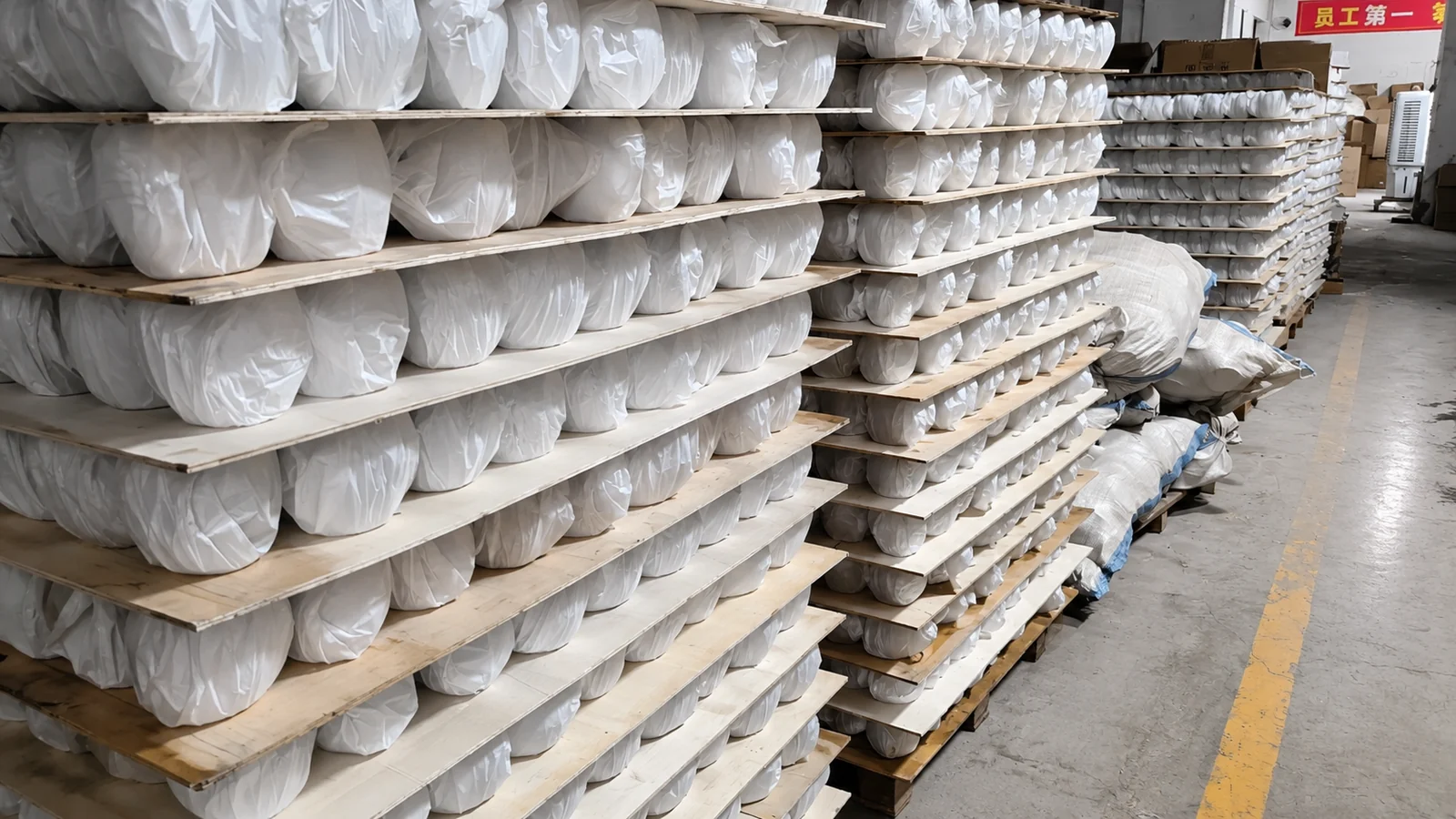
QC checks the assembled tea system
Product checks can include model identity, dimensions or capacity tolerance where agreed, rim and base condition, handle and spout appearance, lid and infuser fit and cup count. Decoration checks cover artwork version, placement and visible result. Packing checks cover component completeness, insert position, retail-box identity and master-carton count.
The exact acceptance rules should be established from the production route and approved samples. Handmade and machine-made products have different appearance characteristics. A critical fit or function problem should not be hidden inside a general visual allowance.
If third-party inspection is required, we provide the approved system checklist so the inspector does not evaluate the pot without its components. Our quality-control approach shows the broader structure.
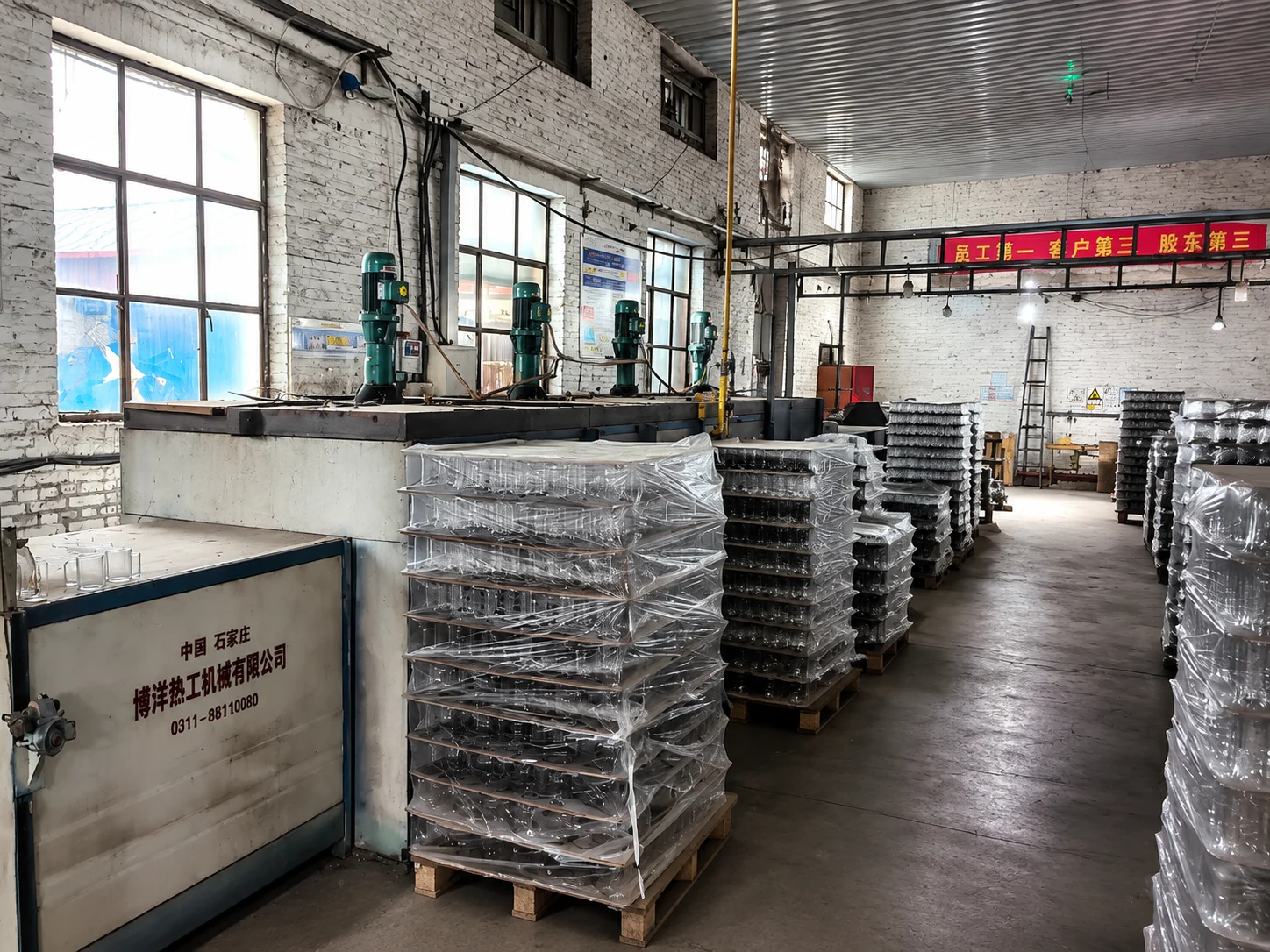
Bulk lead time is quoted after the system, quantity and approvals are clear. We do not publish one fixed number for a current clear pot, a decorated set and a new mold. Component purchasing, printed packaging, buyer approval and inspection can all sit on the critical path.
Buyer FAQ
What should a tea brand approve first: the pot or the packaging?
Approve the pot, lid, infuser, cups and intended use first. The insert and box should be designed from the stable physical system, not from separate catalogue dimensions.
What is the MOQ for a custom glass tea set?
MOQ depends on each pot, cup, lid, infuser, decoration and pack version. Some current models show a verified 500–1,000-piece trial range, but components and printed boxes may set different minimums.
How long does a glass teapot sample take?
Current-model preparation is commonly 5–10 days once the scope is agreed. Decoration, changed components, molds and complete gift packaging require a separate estimate; shipping and evaluation time are additional.
Can you guarantee that a teapot will not drip?
We evaluate pouring on physical samples under agreed fill and use conditions. We do not promise a perfect result from a rendering. If drip behavior is critical, the observation method and approved limit should be documented.
Is every borosilicate teapot safe for boiling water or direct flame?
No general claim should be made from material name alone. The exact product construction, components, intended use, care instruction and supporting evidence must be reviewed.
Can we customize lids and infusers?
We can review current and custom routes. A change affects fit, tolerance, supplier MOQ, sampling, packing and possibly compliance evidence, so the component must be approved as part of the whole system.
Can one gift box be used for parcel delivery?
Not automatically. Presentation and transport protection are separate requirements. We review the full set and distribution route and add outer protection where the approved route requires it.
Send us the complete tea system
Share the tea type, brewing or serving method, intended fill, pot and cup references, lid and infuser needs, quantity per set version, branding, pack, destination and launch date. We will separate current-model facts from open fit, use and evidence questions.
Explore coffee and tea glassware, read the glass teapot manufacturer guide, or send a tea-brand RFQ. We will review the pot, components, cups and packaging as one purchasing system.