
Corporate gift projects arrive with a deadline that cannot move: an anniversary, conference, customer program or employee event. The opening date is fixed, but the product brief often is not. A buyer may have a logo and budget while the glass model, set count, decoration, message card, gift box and delivery allocation are still undecided. Those open decisions—not the glass alone—usually control whether the project remains feasible.
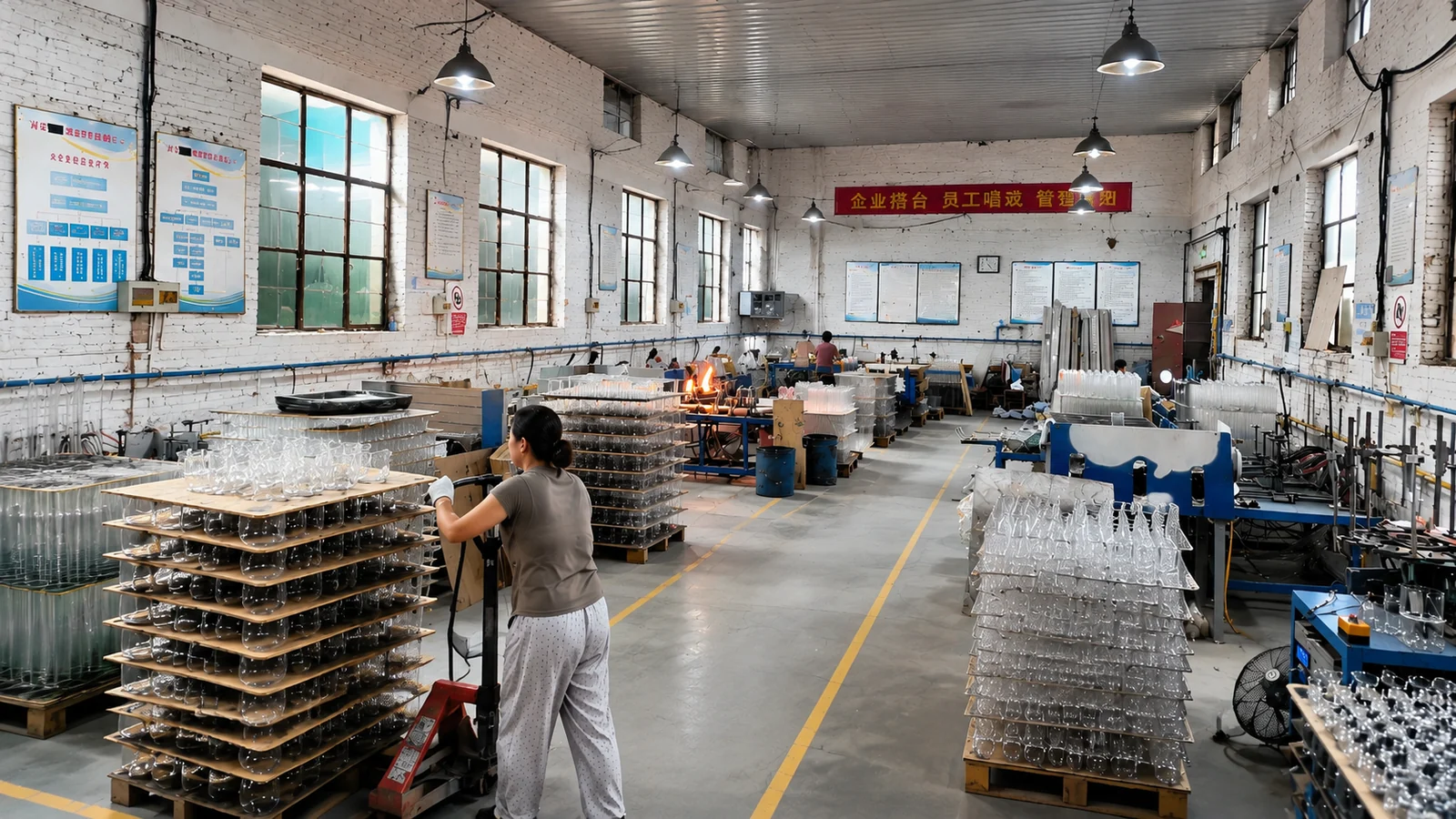
Guangyi Glass coordinates product selection, OEM development, sampling, gift packaging, quality checks and order follow-up with production partners. We confirm the responsible manufacturing site for each order. We do not claim that a rendering proves decoration quality or that a presentation box will survive transport. We approve the actual finished gift in stages and keep the event date connected to every approval.
Write the recipient brief before choosing the glass
The recipient and use situation should narrow the product range. A client thank-you set, hotel conference gift, employee anniversary item and beverage-brand promotion have different expectations. Some gifts should be used daily; others prioritize presentation. Some ship in bulk to one event venue; others travel individually to many addresses.
We ask five questions first:
- Who receives the gift, and what will they use it for?
- Is it one glass, a pair, a pot-and-cup set or a mixed kit?
- Which brand elements must appear on product, box and card?
- Will goods ship to one warehouse, several events or individual parcels?
- What is the latest arrival date, including receiving and distribution?
This brief prevents a common mistake: choosing a large premium-looking box before the physical product and distribution route are known. It also helps us decide whether a current model with decoration is the sensible route or whether the campaign volume and timing support deeper development.
Current-model customization is often the strongest first route
A current glass body lets the buyer evaluate a physical product before investing in a new shape. The gift can still be distinctive through model selection, logo scale, decoration color, set composition, accessory, insert, sleeve, message card and box artwork. Each element should have a commercial reason rather than being added because customization is available.
A new mold is appropriate only when the required profile, capacity, brand geometry or handling cannot be achieved with a current model and the project supports tooling, trials and correction. A fixed event date makes that decision more sensitive. We will not recommend a new-mold schedule until the drawing, quantity, approval owners and contingency have been reviewed.
Product choice should also respect the recipient. A large logo tumbler may suit a promotional campaign; a subtle mark on a paired cup set may suit executive gifting. A fragile protruding handle or mixed-material accessory can add both perceived value and pack risk. We show those tradeoffs rather than labeling one route universally “premium.”
Our custom glassware development guide explains the difference between a current-model project and a new development.
Decoration should be approved at real size
Corporate artwork often includes small legal text, anniversary dates, partner logos or a detailed emblem. Not every line that works on a screen can reproduce on a curved transparent surface. We ask for editable vector files, required clear space, target size, position and color reference. If several brands share the gift, we need one approved final artwork owner.
The decoration method depends on surface, artwork, color, quantity, handling and intended use. We prepare a decorated sample when the mark is commercially important. Pantone values define a target, but the physical sample and agreed tolerance govern approval. Glass transparency and the recipient's viewing background change how color appears.
We also separate product decoration from packaging print. A metallic-looking box finish does not mean the same effect is feasible on the glass. If a claim about wash or abrasion durability matters, the exact method and acceptance basis should be agreed. We do not apply a generic durability promise to every decoration route.
Personal names and variable data change the operation
Some corporate buyers want each glass or card personalized. Variable names, serial numbers or branch identifiers are different from one repeated logo. They require a clean data file, proofing method, file-to-item control, production feasibility and an error policy. MOQ and cost may change because each finished unit is no longer identical.
Before accepting personalization, we ask:
- which element varies and which stays fixed;
- permitted characters and maximum text length;
- who cleans and approves the recipient data;
- how units are matched to cards, boxes or shipping labels;
- how spelling changes and replacement pieces are handled.
We do not assume that every decoration process can handle one-off data efficiently. If direct variable marking is not feasible, personalization on a card, sleeve or label may be a more controllable route. The buyer remains responsible for supplying accurate data and following its own privacy obligations when recipient information is shared.
Sample the complete recipient experience
Current-model sample preparation is commonly 5–10 days in our verified product information after the product and sample conditions are confirmed. Decoration, color, a new component, new mold or complete printed gift pack requires a separate schedule. Courier transit and buyer approval are additional.
We divide the sample review into three approvals. The product sample confirms model, dimensions, capacity and hand feel. The decorated sample confirms artwork and visible result. The pack sample confirms set count, insert fit, opening order, card position and outer protection. Combining all decisions into one late “golden sample” can waste time if the basic glass is rejected.
The approval record should identify every file revision. “Use the latest logo” is not safe when several teams have exchanged artwork. We use file names or revision codes in the finished-SKU specification and ask one buyer contact to consolidate approval.
MOQ is driven by versions, not the event total
Some verified current-model pages show a 500–1,000-piece trial-order range for that particular SKU. A corporate gift project still needs individual review. Glass model, decoration, color, accessory, box, insert and personalization may each have separate setup minimums.
A 2,000-piece event order can become eight 250-piece versions after two logo colors, two box languages and two recipient groups. That fragmentation influences print setup, kitting, labels and QC. We build a version matrix before confirming MOQ. For each finished version, it names the approved glass model, decoration file, insert and box language, quantity and delivery allocation. Version A might use logo file A with an English box, while version B uses the same glass and logo with another approved language. A third version with a different logo is a separate production and checking line, even if the body is unchanged.
For a time-sensitive first project, a shared glass and box construction with controlled sleeves, labels or cards may reduce complexity where the buyer's market rules allow. We still ask the production and packaging partners to confirm feasibility. Read our MOQ guide before promising recipients many low-volume variants.
Gift presentation and delivery protection are separate layers
The insert controls how the product is presented and whether components can strike each other. The retail box carries brand artwork and the opening experience. The master carton protects multiple gift boxes through export handling. Individual parcel delivery may require another outer layer defined with the buyer or fulfillment partner.
We approve the insert from final physical components, not only drawings. Handles, rims, lids and metal accessories need controlled contact points. Printed areas should not rub against inserts. Cards, booklets and accessories need assigned positions so the packing team can check completeness.
For multi-destination campaigns, carton and gift labels should be planned before packing. Branch allocation or recipient matching adds a kitting operation and an error risk. We confirm who supplies the allocation file and where distribution responsibility changes. Our export packaging page explains how presentation and transport work together.
QC includes kitting accuracy
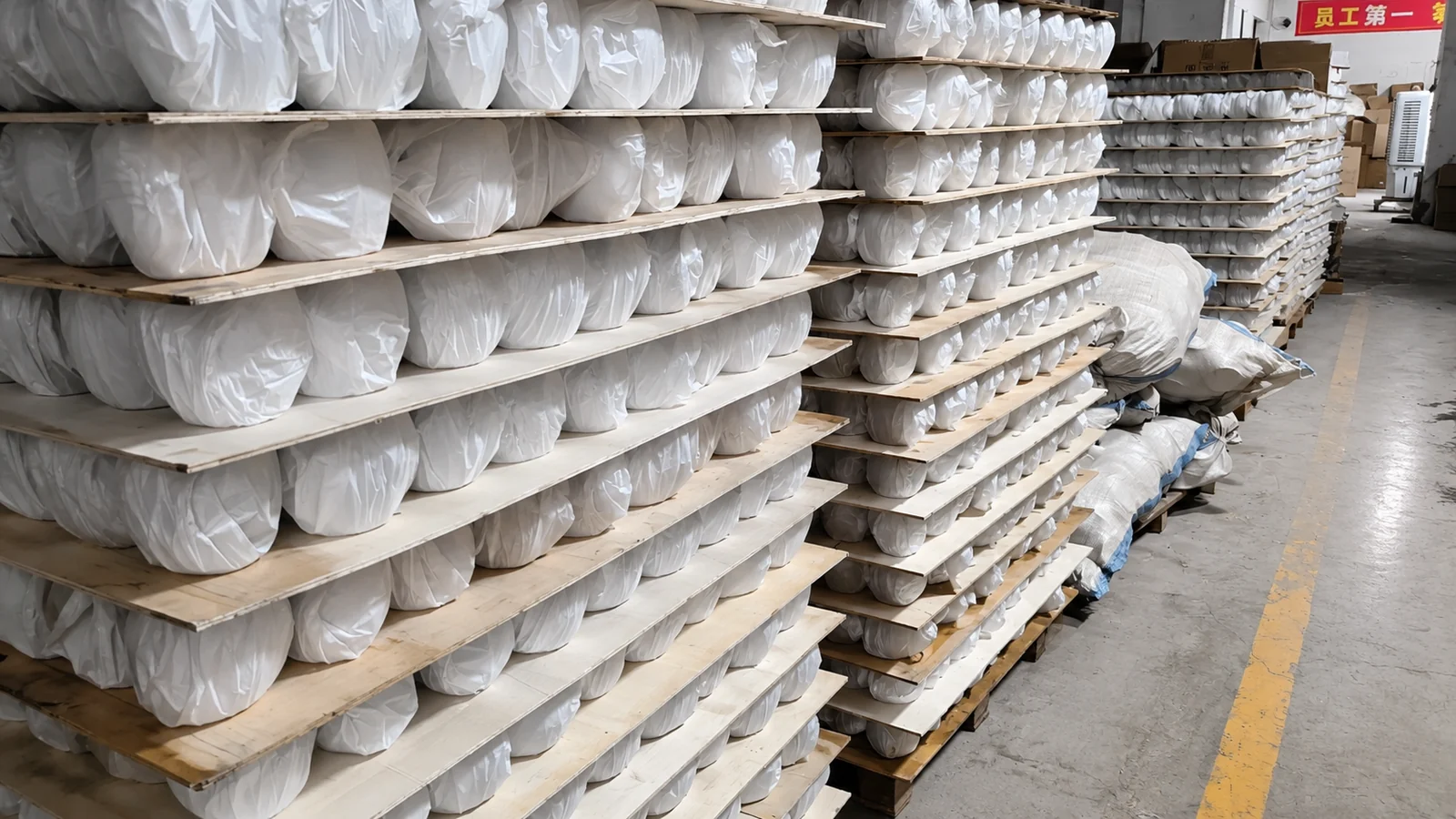
Corporate gift QC is not limited to the glass. We inspect the finished SKU: correct model, agreed visible condition, right artwork, component count, card revision, box version, insert placement and master-carton identity. If variable data is involved, the matching control must be defined in advance.
We set realistic appearance criteria from the approved production route. Handmade glass, machine-made glass and decorated surfaces have different sources of variation. A critical product problem, wrong logo or missing component is not the same as an accepted minor appearance difference.
If the buyer requires third-party inspection, the inspector needs the finished gift specification and version matrix. A generic glass checklist will not catch a language-box or card-allocation error. See our quality-control approach for the product, decoration and pack layers.
Work backward from the arrival date
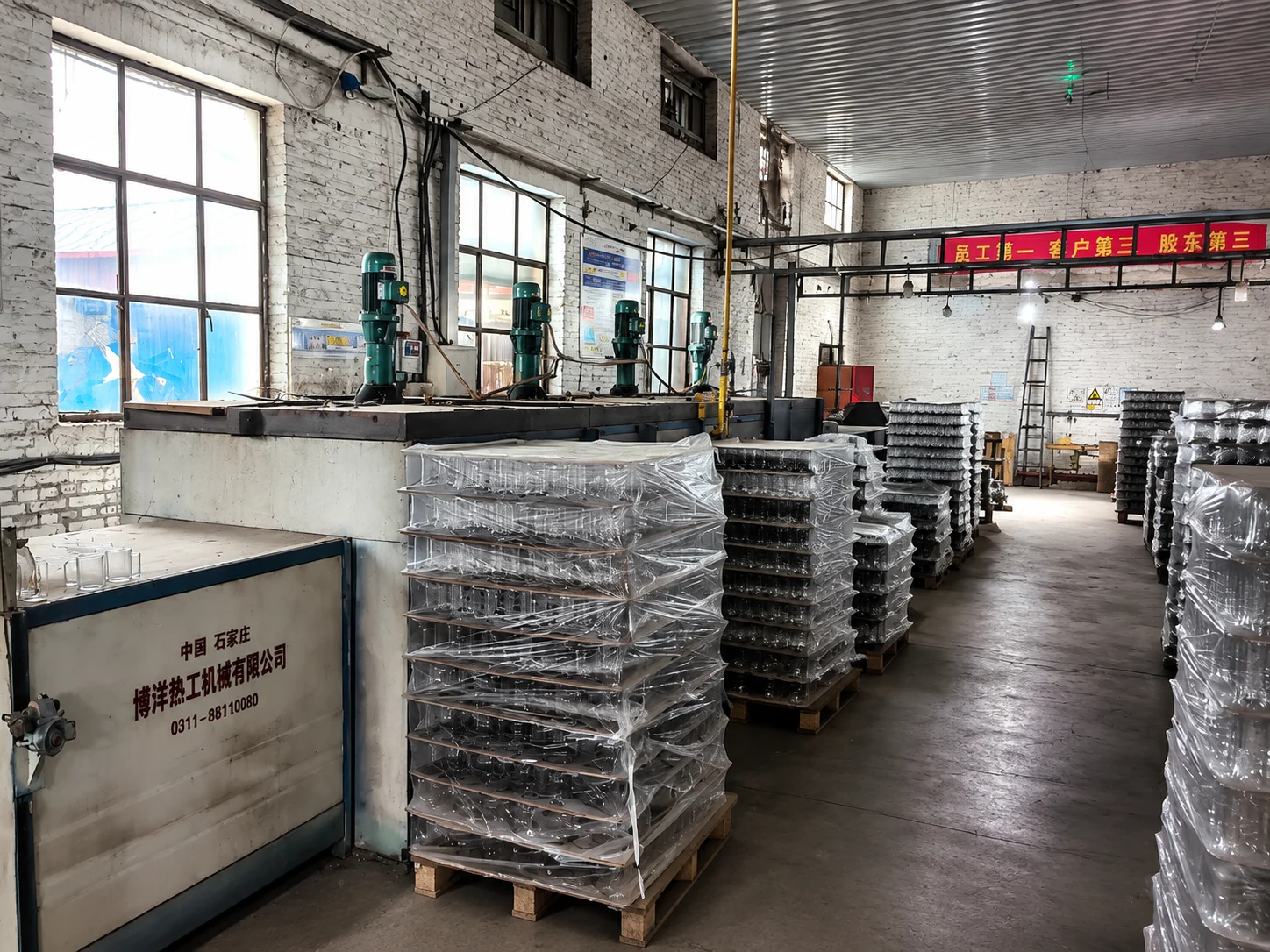
We build campaign schedules from the date gifts must be received and available for distribution. The buyer or logistics provider supplies transit, customs, venue receiving and internal allocation requirements. We then map product choice, sample approval, decoration, packaging, bulk work, kitting, QC and freight handover.
We do not publish one fixed production time for all corporate gifts. A current clear model with one logo and a shared box is different from a new mold with personalization and several destinations. Buyer artwork approval, packaging files and recipient data can control the critical path. If the brief changes, we show the effect instead of leaving an outdated delivery promise in place.
For an immovable event, contingency should be deliberate. A proven current model, fewer versions and earlier destination planning usually create more schedule confidence than asking production to absorb unresolved design decisions.
Compare price per delivered gift
An accurate comparison includes the glass, decoration, components, insert, retail box, master carton, kitting, inspection, labels and Incoterm. A low glass price can be offset by an oversized box, complex manual assembly or split shipment. Ask suppliers to quote the same finished-SKU matrix.
We also ask for the target budget and recipient level. This helps us choose where to spend: product route, decoration, packaging material or accessory. “Make it more premium” does not guide a quotation; “keep one approved cup pair, improve the insert and use a restrained one-color logo” does.
Buyer FAQ
What is the safest route for a time-sensitive corporate glass gift?
Start with a verified current model, limit artwork and pack versions, approve a physical decorated sample, build the insert from final components and plan freight backward from the event arrival date.
What is the MOQ for custom glass gifts?
MOQ depends on the glass, decoration, color, accessory and packaging version. Some current models show a verified 500–1,000-piece trial range, but printed boxes, new molds and personalization can create different minimums.
How long does a corporate gift sample take?
Current-model preparation is commonly 5–10 days once defined. Decorated samples, custom colors, components, new molds and complete gift packaging need a project-specific estimate; courier and approval time are separate.
Can every glass be printed with a different name?
Not every decoration route supports variable data efficiently. We review the artwork, quantity, data control and matching requirement. Personalization on cards, sleeves or labels may be more controllable for some projects.
Can you match our corporate Pantone color?
Pantone provides the target, while the actual decorated sample and agreed tolerance control approval. Transparency, process and viewing background can affect the visible result.
Is a rigid gift box enough for international delivery?
Not automatically. The gift box handles presentation; the insert, master carton and possible parcel outer pack handle transport. The complete distribution route must be reviewed.
Can gifts be packed by branch or event location?
Yes, when the allocation matrix, labels, quantities and responsibility are confirmed before assembly. Split kitting adds checking work and should appear in the quotation and QC plan.
Send the campaign brief before the artwork deadline
Share the recipient, event date, product or use idea, quantity by version, brand files, gift-set contents, destination allocation, packaging expectation and Incoterm. We will identify the feasible current-model or development route and show which approvals control the schedule.
Explore glassware products, use our glassware RFQ checklist, or send a corporate-gift RFQ. We will quote the finished gift and delivery route—not an isolated glass with the important decisions left open.